

Money touches every part of life—career choices, stress levels, relationships, and even self-worth. Yet, most of us were never taught how money really works.
That’s where the right financial books come in.
The best money books don’t just teach you how to earn or invest. Instead, they reshape how you think, behave, and decide around money. Over time, that mindset shift compounds into real wealth.
Here are 7 financial books everyone must read at least once in their lifetime—books that have stood the test of time and continue to influence millions worldwide.
1. The Psychology of Money – Morgan Housel

This book explains a simple but powerful truth: financial success is more about behavior than intelligence.
Morgan Housel shows how luck, fear, ego, and patience shape money decisions far more than formulas or IQ. Through short, relatable stories, he proves why two people with the same income can end up in completely different financial positions.
Why this book stands out
- Wealth is what you don’t see—savings, time, and freedom
- Compounding rewards patience, not brilliance
- Doing “reasonable” things consistently beats chasing perfection
Perfect for: Every reader—especially beginners and professionals
2. Rich Dad Poor Dad – Robert T. Kiyosaki
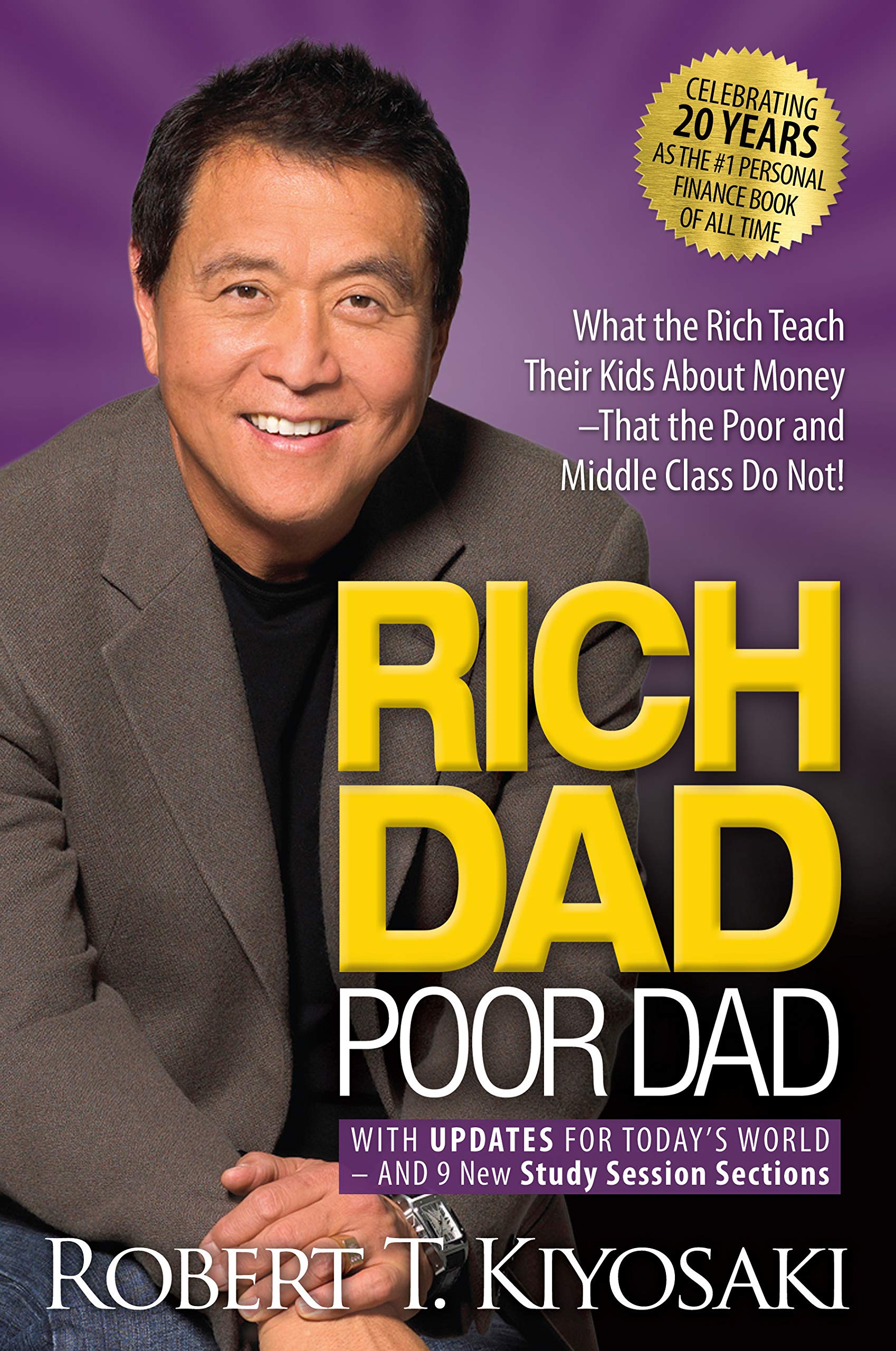
This book challenges the traditional belief that a good job and steady salary guarantee financial security.
By comparing lessons from his “rich dad” and “poor dad,” Kiyosaki introduces concepts like assets, liabilities, cash flow, and financial independence—ideas rarely taught in schools.
Key lessons
- Assets generate income; liabilities drain it
- Financial education matters more than income
- Jobs provide security, not wealth
Perfect for: Young earners, students, and aspiring entrepreneurs
3. The Richest Man in Babylon – George S. Clason

Despite being written nearly a century ago, this book remains one of the simplest and most powerful guides to money.
Set in ancient Babylon, it uses parables to teach timeless financial principles that are still relevant today.
Golden rules from the book
- Pay yourself first (save at least 10%)
- Control your expenses
- Make money work for you
Perfect for: Beginners and readers who love storytelling
4. Think and Grow Rich – Napoleon Hill

This is not just a money book—it’s a success philosophy.
Based on interviews with some of the most successful people of the early 20th century, Napoleon Hill emphasizes that wealth begins in the mind before it appears in reality.
Core ideas
- Clear goals create unstoppable focus
- Desire, belief, and persistence fuel success
- Thought patterns shape financial outcomes
Perfect for: Entrepreneurs, dreamers, and self-growth readers
5. The Intelligent Investor – Benjamin Graham

Often called the bible of investing, this book teaches discipline over speculation.
Benjamin Graham introduces the concept of value investing—buying quality assets with a margin of safety and holding them for the long term.
Why it’s legendary
- Separates investing from gambling
- Encourages emotional control during market volatility
- Influenced legendary investors worldwide
Perfect for: Serious long-term investors
6. Your Money or Your Life – Vicki Robin & Joe Domínguez

This book reframes money as life energy—time and effort exchanged for income.
Instead of chasing endless consumption, it encourages readers to align spending with values and purpose.
Key insights
- Financial independence equals freedom
- Mindful spending increases happiness
- Less can truly be more
Perfect for: Readers seeking balance, purpose, and peace
7. I Will Teach You to Be Rich – Ramit Sethi

This modern classic removes fear and guilt from money management.
Ramit Sethi focuses on automation—setting up systems that save, invest, and grow money in the background while you enjoy life.
What makes it practical
- Automate savings and investments
- Spend confidently on what matters
- Avoid unnecessary financial stress
Perfect for: Millennials, Gen Z, and busy professionals
Why These Books Matter More Than Ever
In an age of rising inflation, unstable jobs, and financial noise on social media, financial clarity is power.
These books don’t promise overnight riches. Instead, they offer something far more valuable:
A framework for lifelong financial confidence.
Final Thoughts: One Book Can Change Your Financial Future
Money rarely changes overnight—but thinking about money can. That’s the real power of these Financial Books Everyone Must Read. They don’t promise shortcuts or overnight riches. Instead, they quietly reshape how you see income, spending, saving, investing, and even success itself.
Some books will teach you discipline, others will build confidence, and a few will challenge beliefs you didn’t even realize were holding you back. Read just one, and you may start questioning old habits. Read a few, and you’ll likely build systems and mindsets that compound for decades—long after the last page is turned.
In a world full of financial noise, these books offer clarity. They remind us that wealth is not about chasing more, but about making better decisions consistently. And often, the most valuable investment you’ll ever make isn’t in stocks, real estate, or businesses—it’s in your financial education.
So pick the book that speaks to you right now. Start reading. And let that single decision become the first step toward a calmer, smarter, and more intentional financial life.

Rajil M P is a seasoned banking expert and the Founder of IndianBanker.com. With over eight years of leadership as a Senior Manager in India’s public sector banking system, he brings firsthand experience in credit appraisal, regulatory compliance, and branch operations. A certified professional, Rajil holds flagship credentials from the IIBF (JAIIB & CAIIB) and is a certified IRDAI-compliant insurance professional. He specializes in translating complex RBI policies into actionable financial insights for both banking professionals and the general public.
Discover more from Indian Banker
Subscribe to get the latest posts sent to your email.

